Hose Replacement
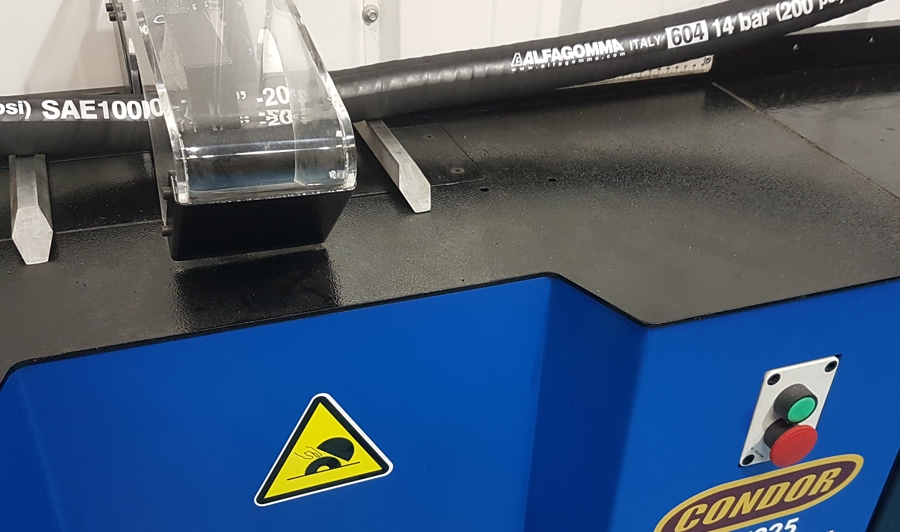
How long do hydraulic hose and hose assemblies last? The bad news is that there is no simple answer to how long you should wait before replacing hose assemblies on your equipment. The good news is that there are signs that maintenance personnel can (and should) look for....
Don't put old hose assemblies on your equipment.
According to the Society of Automotive Engineers (SAE), the shelf life of bulk rubber hose is 10 years from the date of manufacture. Look for the manufacturing date of the hose on its lay-line and if the hose is close to 10 years old, don't use it!
Purchasing a new hose assembly is usually many times less expensive than the cost of clean up after the old hose fails, not to mention the potential damage to different (expensive) components of your hydraulic system, down time and the potential for injury.
Setup a preventive schedule - and follow it regularly.
For most applications, a simple visual inspection once a month and preventive replacement of damaged hoses is adequate. 80% of hose failures are attributable to external physical damage through pulling, kinking, crushing or abrasion of the hose and all the external damage can typically be checked for.
Keep a log of the hose replacements - especially replacements necessitated by a hose failure. You can use this log to estimate how long your hoses last in your application. You should only use this information for budgeting purposes and never as a substitute for regular visual inspection.
Inspect/replace critical hydraulic hose assemblies more often. Critical hose assemblies may be those that are close to the equipment operators or whose failure could result in injury or would cost a great amount of damage.